

Vitamin D is one of the most important nutrients for maintaining strong bones, a healthy immune system, and overall well-being. Despite living in a tropical country with abundant sunlight, Vitamin D deficiency remains one of the most common nutritional deficiencies in India. Studies suggest that a large percentage of Indians have insufficient Vitamin D levels, which can significantly impact their health and quality of life.
At Chikitsa Clinic Guwahati, our healthcare professionals frequently diagnose and manage Vitamin D deficiency in patients of all age groups. Understanding its causes, symptoms, and treatment options can help you take proactive steps toward better health.
What is Vitamin D?
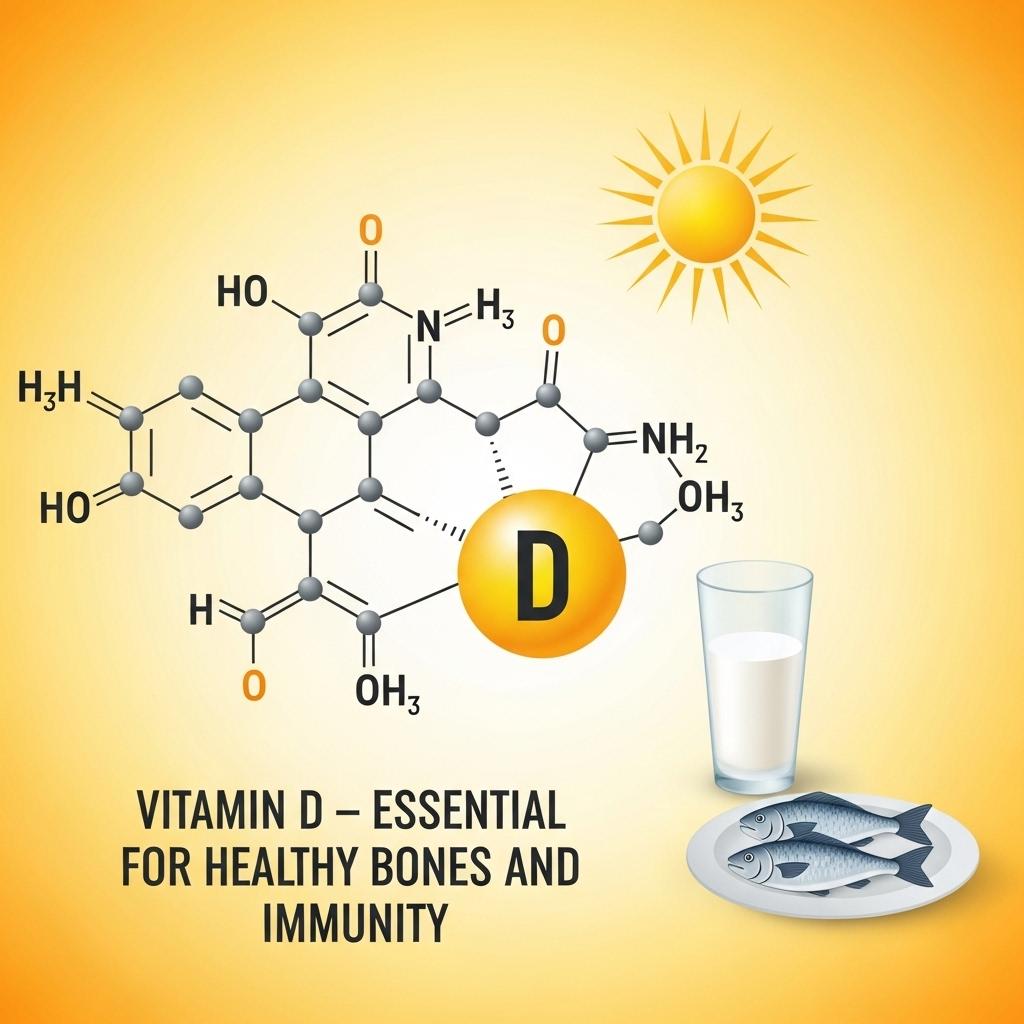
Vitamin D is a fat-soluble vitamin that helps the body absorb calcium and phosphorus, essential minerals for maintaining healthy bones and teeth. It also plays a crucial role in supporting the immune system, muscle function, and mental well-being.
Unlike most vitamins, Vitamin D can be naturally produced by the body when the skin is exposed to sunlight.
Why is Vitamin D Important?
Adequate Vitamin D levels help:
Maintain strong bones and teeth
Improve calcium absorption
Support immune system function
Reduce the risk of osteoporosis
Promote muscle strength
Support mental and emotional health
Lower the risk of certain chronic diseases
Common Causes of Vitamin D Deficiency
Several factors can contribute to low Vitamin D levels.
1. Insufficient Sun Exposure
The primary source of Vitamin D is sunlight. Spending most of the day indoors, covering the skin completely, or excessive use of sunscreen may limit Vitamin D production.
2. Poor Dietary Intake
Very few foods naturally contain Vitamin D. Individuals who consume limited dairy products, fish, or fortified foods may develop deficiency over time.
3. Ageing
Older adults have a reduced ability to synthesize Vitamin D through the skin and absorb nutrients effectively.
4. Medical Conditions
Certain health conditions can affect Vitamin D absorption and metabolism, including:
Celiac disease
Crohn's disease
Liver disorders
Kidney diseases
Obesity
5. Lifestyle Factors
Modern lifestyles involving long office hours, reduced outdoor activities, and lack of physical exercise increase the risk of Vitamin D deficiency.
Symptoms of Vitamin D Deficiency
Vitamin D deficiency often develops gradually and may go unnoticed initially.
Common symptoms include:
Persistent fatigue and weakness
Frequent illness or infections
Bone pain
Muscle aches
Joint pain
Mood changes
Depression or anxiety
Hair loss
Difficulty healing wounds
In severe cases, Vitamin D deficiency can lead to serious bone-related disorders.
Health Risks Associated with Low Vitamin D Levels
If left untreated, Vitamin D deficiency may result in:
Osteoporosis
Weak and brittle bones increase the risk of fractures.
Osteomalacia
Softening of bones due to poor mineralization.
Increased Fracture Risk
Even minor falls or injuries can result in fractures.
Reduced Immunity
Individuals with low Vitamin D levels may experience frequent infections and slower recovery.
Muscle Weakness
Reduced muscle strength can affect mobility and increase fall risk in older adults.
How is Vitamin D Deficiency Diagnosed?
A simple blood test called the 25-Hydroxy Vitamin D Test helps determine Vitamin D levels in the body.
Generally:
Below 20 ng/mL – Deficient
20–30 ng/mL – Insufficient
30–50 ng/mL – Optimal
Above 50 ng/mL – Adequate
At Chikitsa Clinic Adabari, our doctors evaluate test results along with symptoms and medical history to recommend the most suitable treatment plan.
Effective Treatment for Vitamin D Deficiency
1. Safe Sun Exposure
Regular exposure to sunlight is one of the best natural ways to increase Vitamin D levels.
Tips:
Spend 15–30 minutes outdoors daily.
Prefer morning sunlight.
Expose arms and legs whenever possible.
Avoid excessive exposure during peak afternoon hours.
2. Consume Vitamin D Rich Foods
Include these foods in your diet:
Fatty fish (salmon, tuna, mackerel)
Egg yolks
Fortified milk
Fortified cereals
Mushrooms
Cheese
Yogurt
3. Vitamin D Supplements
Doctors may prescribe Vitamin D supplements depending on deficiency severity.
Supplementation should always be taken under medical supervision to avoid excessive intake and related complications.
4. Regular Physical Activity
Outdoor exercises can help improve overall health while promoting natural Vitamin D synthesis.
Recommended activities:
Walking
Jogging
Cycling
Yoga
Sports and recreational activities
5. Maintain a Healthy Weight
Excess body fat may reduce Vitamin D availability in the body. Maintaining a balanced diet and healthy lifestyle can improve Vitamin D levels.
6. Get Adequate Sleep
Quality sleep supports overall metabolic health and helps optimize the body's ability to utilize nutrients effectively.
Tips to Prevent Vitamin D Deficiency
Spend time outdoors daily
Eat a balanced diet rich in Vitamin D
Stay physically active
Maintain a healthy body weight
Get regular health checkups
Follow prescribed supplements when necessary
When Should You See a Doctor?
Consult a healthcare professional if you experience:
Chronic fatigue
Bone or muscle pain
Frequent infections
Unexplained weakness
Mood disturbances
Early diagnosis and treatment can prevent long-term complications and improve overall quality of life.
Expert Care at Chikitsa Clinic Guwahati
If you are experiencing symptoms of Vitamin D deficiency or would like a preventive health checkup, visit Chikitsa Clinic Guwahati. Our experienced doctors provide comprehensive evaluation, diagnostic testing, and personalized treatment plans to help you maintain optimal health.
As a trusted multi-speciality clinic in Guwahati, we are committed to providing quality healthcare services for patients of all age groups.
Conclusion
Vitamin D deficiency is a common yet preventable health condition. With proper sunlight exposure, a nutritious diet, regular exercise, and timely medical consultation, you can maintain healthy Vitamin D levels and enjoy better bone health, immunity, and overall wellness.
If you're concerned about your Vitamin D levels, schedule a consultation at Chikitsa Clinic Adabari today and take the first step toward a healthier future.